
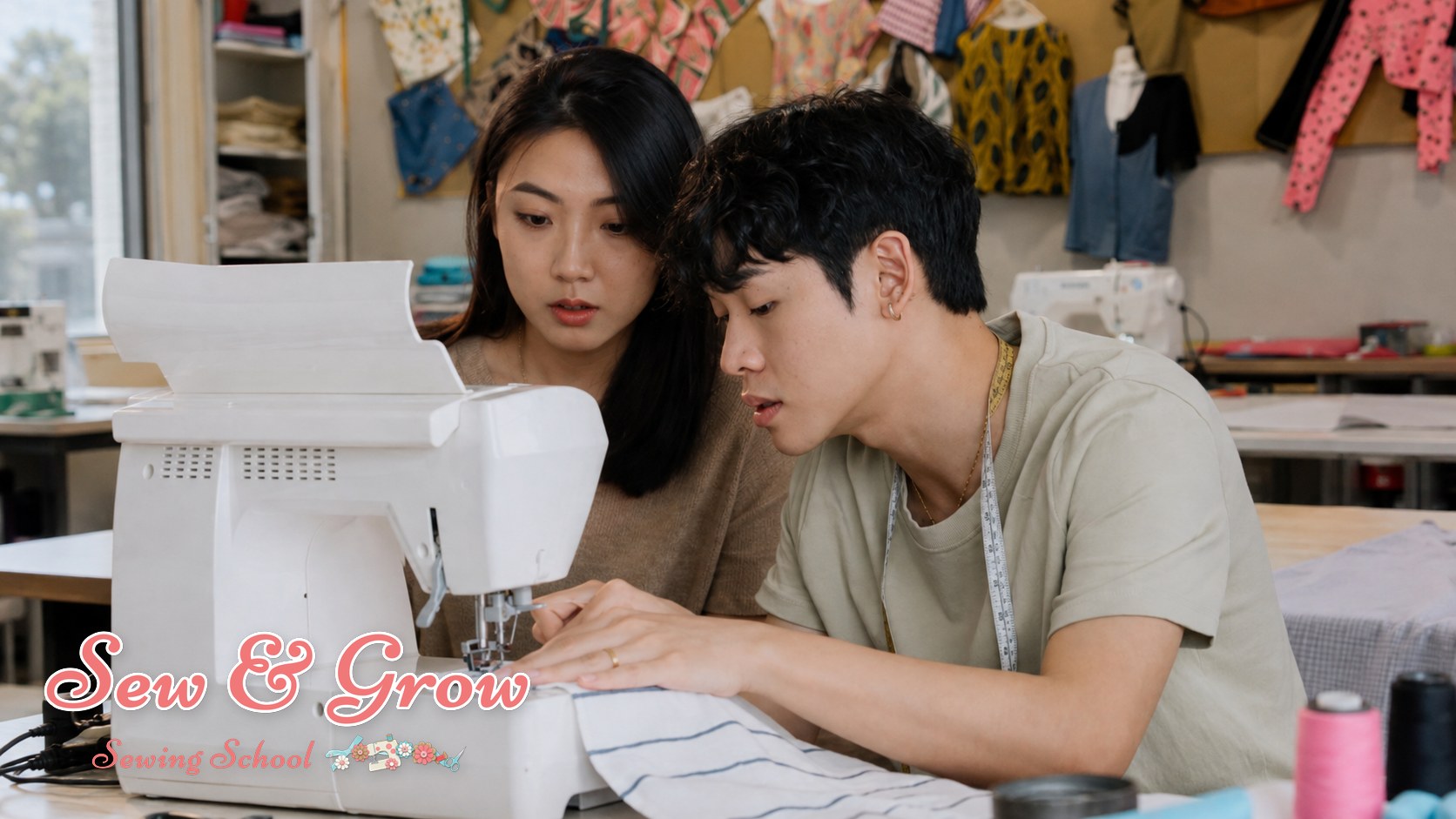
An accredited sewing course is one that's been officially checked against a national standard, formally assesses your skills, and ends in a qualification recognised across the country.
A hobby class teaches you a few nice things for a fun afternoon — no standard, no assessment, and nothing to show for it afterwards.
On the surface, they can look the same
Both have a teacher, a machine and some fabric. The real difference is what sits behind them.
An accredited course answers to an outside authority that has confirmed it teaches genuine, industry-standard skills — and an independent examiner has to sign off on your work before you're allowed to pass. A hobby class answers to no one.
That proof is the whole point, and it's where a hobby class quietly lets people down. Six months later, when someone wants to hire you or a customer asks what training you've had, “I did a few classes” isn't an answer. A nationally recognised qualification is.
What “accredited” looks like here
Our Handicraft Sewer course is accredited by the QCTO and quality-assured through the FP&M SETA — the real national bodies, with accreditation numbers behind them.
Over the course you don't dabble. You're taken from never having touched a machine to a genuine garment constructor — someone who can take a person's measurements, read and cut a pattern, and build a finished garment from scratch. At the end, your skill is independently assessed, and a qualification issued that says so.
The best part: “accredited” doesn't mean “hard to get into”
You need no matric, no experience, and no background in sewing at all — just enough English to follow along, and to be 15 or older. Everything is provided: every machine, all the fabric, tools, patterns and materials.
40+years teaching 10,000+students 100%pass rate
I'll be honest with you — if all you want is a relaxing hobby, a casual class is genuinely lovely, and I'd never talk you out of one. But if you hope your sewing might earn one day, don't spend money on something with nothing at the end of it, because that gap is exactly what people come to regret.
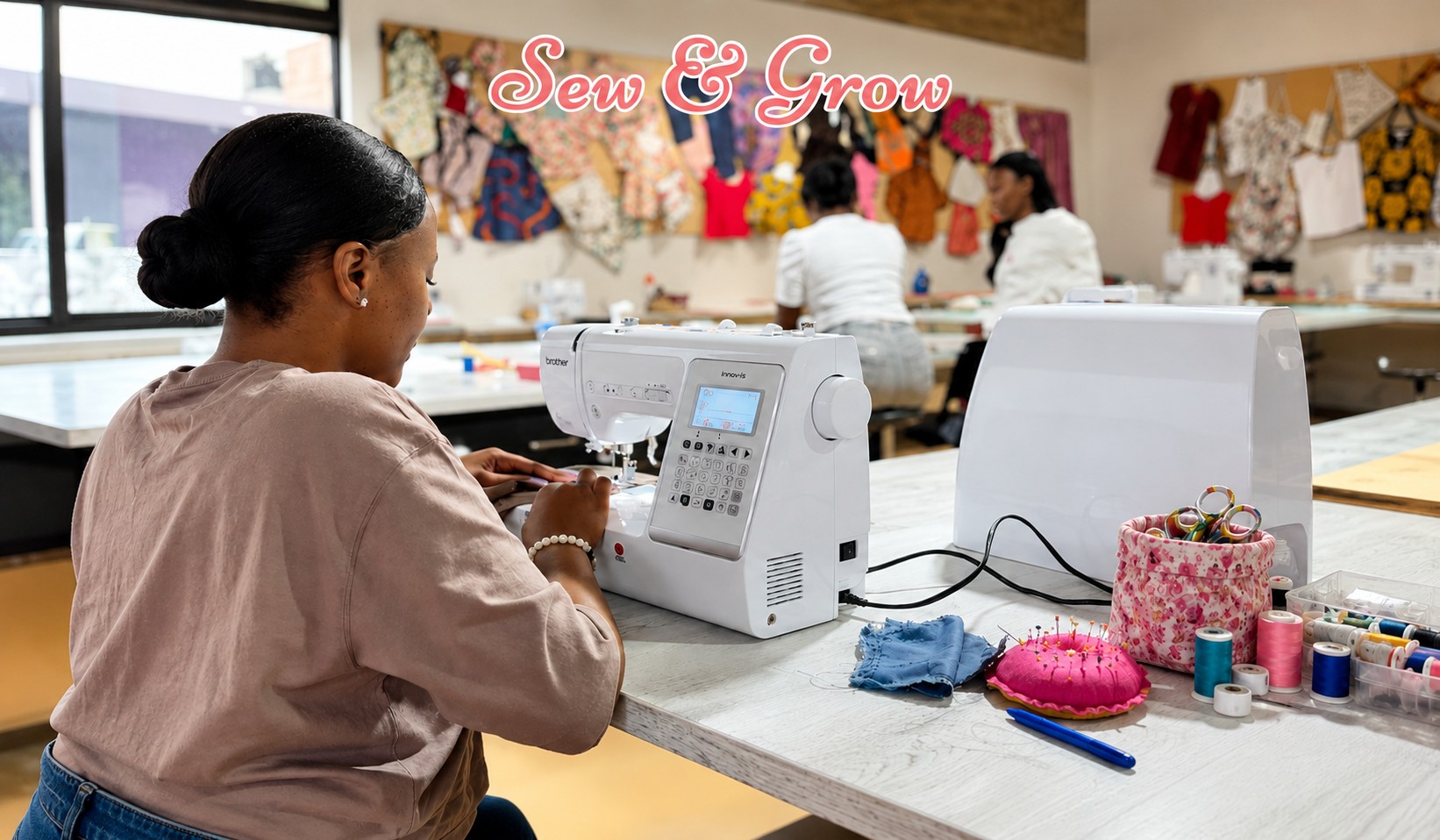
The Handicraft Sewer course
Built for complete beginners, it takes you from never having touched a machine to a qualified garment constructor — because the foundations, taught in the right order, are what make the whole craft click.
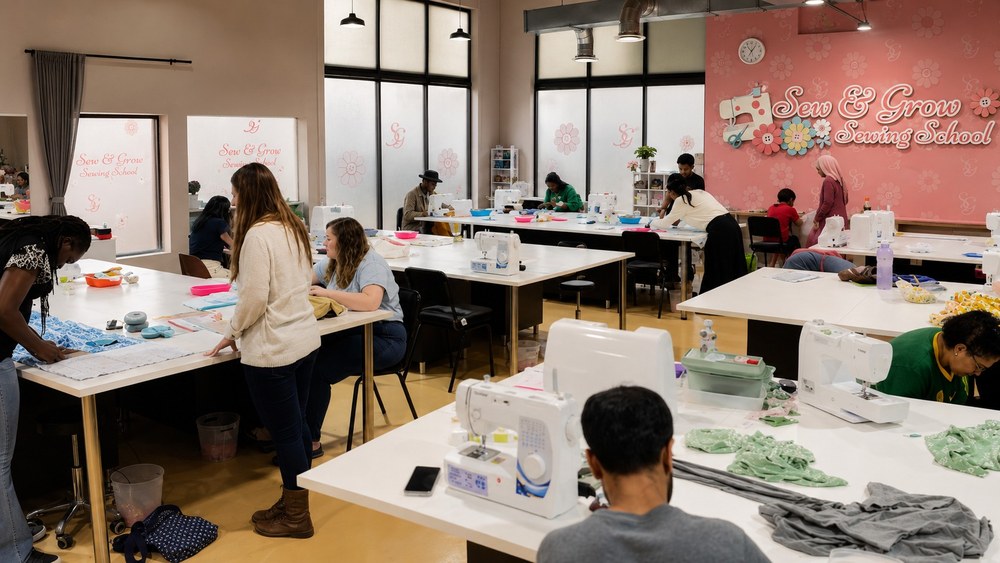
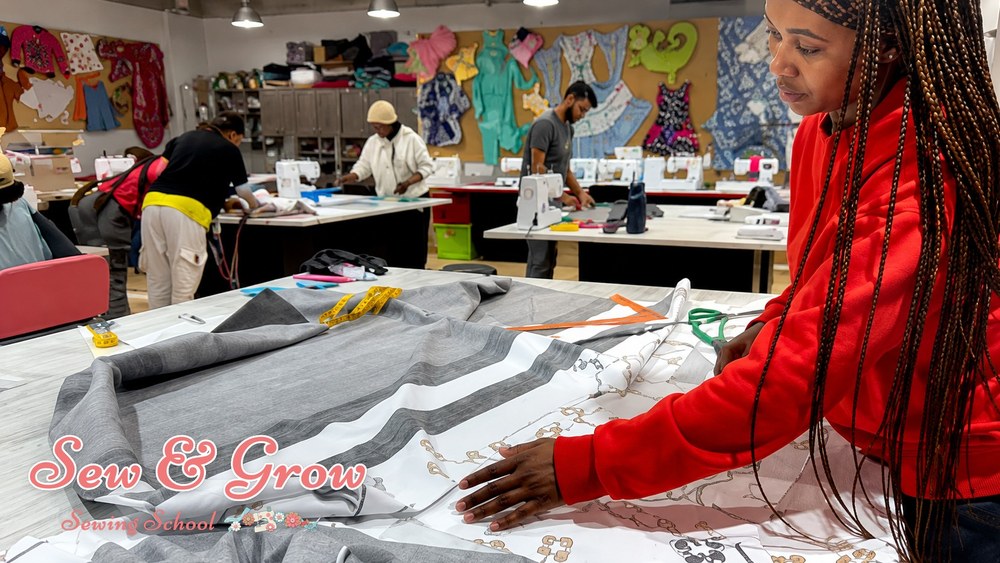
Everything is provided — every machine, all the fabric, tools and patterns — because your only job here is to learn.
Not in Johannesburg? Ask us about flexible and online options — there's a way in wherever you are.
Join the conversation
Weighing up a real course versus a hobby class? Ask away — we read and reply to every comment.
i did a weekend class last year and honestly cant remember a thing 😅 how is an accredited course actually different day to day?
Great question, Nomsa. The big difference is that the skills are taught in order and then assessed — so nothing gets skipped and nothing fades. You build one project on the last until making a garment feels natural, and at the end your work is checked by an outside examiner. That's what turns “I did a class” into a real qualification. 🧵
spent nearly 3 years on youtube and still cant finish a proper garment. wish id just done a real course from the start.
this sounds exactly like what i need but im in durban 😩 is there any way for someone outside joburg to do the accredited course?
You're not shut out at all, Lerato. Message us and we'll talk you through the flexible and online options we run for people outside Johannesburg — the goal is a proper way in wherever you are. You can WhatsApp us on 067 596 8383 or ask right here.