
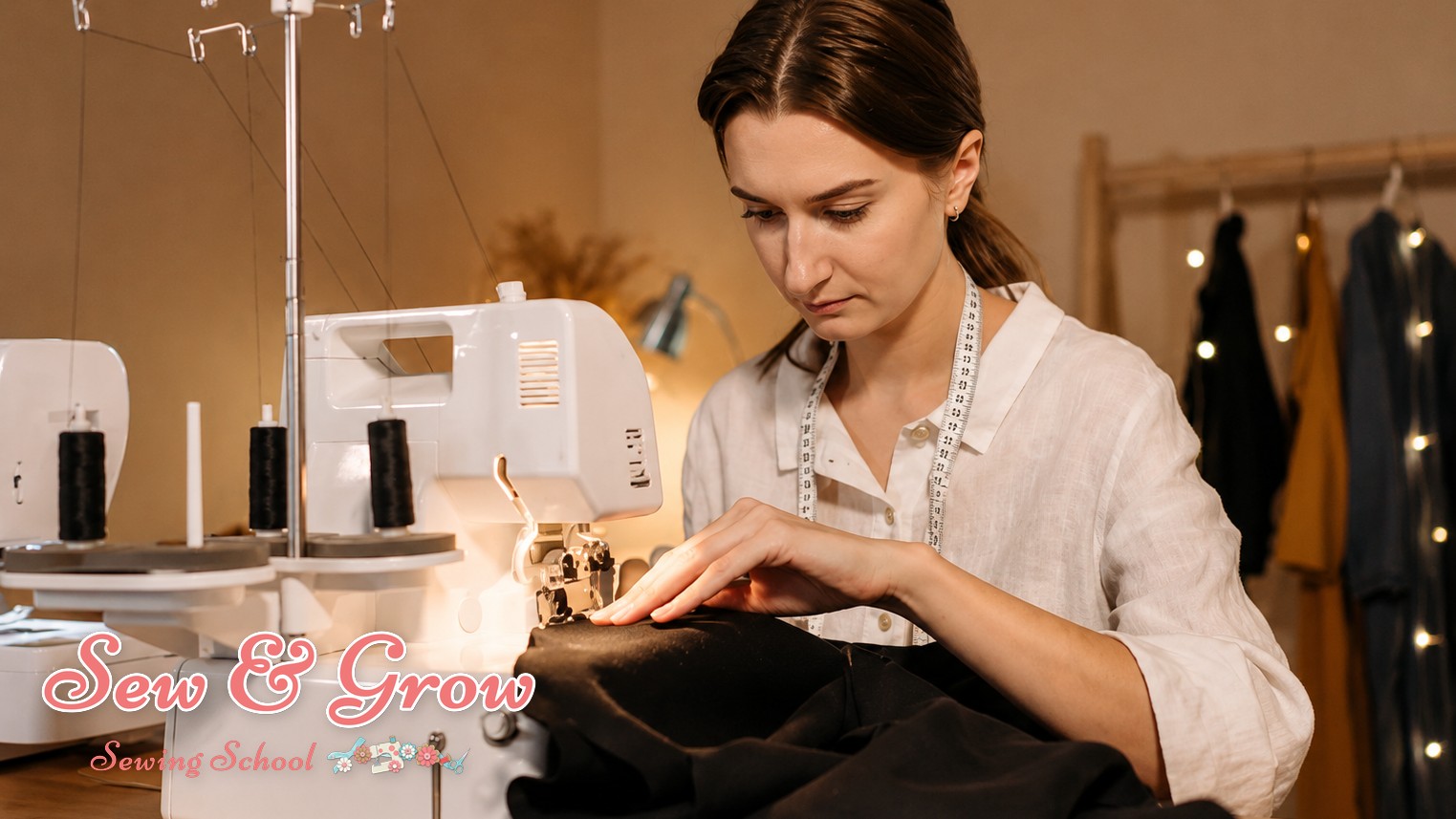
A sewing skills programme is a short, accredited, occupation-focused qualification that gives you a real, nationally recognised credential; a full qualification is a longer, more comprehensive credential at a higher level. Both are part of South Africa's accredited training system, both can be funded, and — most importantly — both lead to genuine, in-demand jobs.
The two terms, cleared up
A skills programme is a focused, accredited qualification built around a specific occupation — like our Handicraft Sewer programme. It's registered against a national standard (through the QCTO and a SETA), shorter and more targeted than a full qualification, and needs no matric and no experience to begin.
A full qualification is a longer, more comprehensive, higher-level credential, often with a workplace-experience component — and we offer these too. Our Sewing Machine Operator qualification (NQF 2) trains you for industrial, production-line sewing in clothing factories, while our Pattern Making Assistant qualification (NQF 4) is a more technical, sought-after credential in creating the patterns that garments are built from.
The jobs these lead to
- 🏭Sewing machine operator / machinist in clothing and textile manufacturing — production lines genuinely need skilled operators.
- ✂️Dressmaker or seamstress — making and altering garments, employed or in your own business.
- 🧵Alterations specialist — for dry cleaners, bridal shops, retailers, or on your own.
- 👗Sample machinist and production sewer — bringing designers' work to life.
- 🏥Uniform and workwear production — including the growing niche of medical scrubs.
- 📐Pattern-making assistant — a more technical, sought-after role (with our higher-level qualification).
- 💼Self-employment — your own sewing business, label, or custom-clothing work.
Because it's accredited, this is exactly the training that B-BBEE skills-development and corporate funding is designed to pay for — so it can be a route into a job, and in the right circumstances, a funded one.
If you're weighing up your options, the word to look for is accredited — it's what employers, funders and companies actually recognise. Our Handicraft Sewer skills programme sits right at the foundation of this system, for individuals and for funded, company-sponsored groups alike.
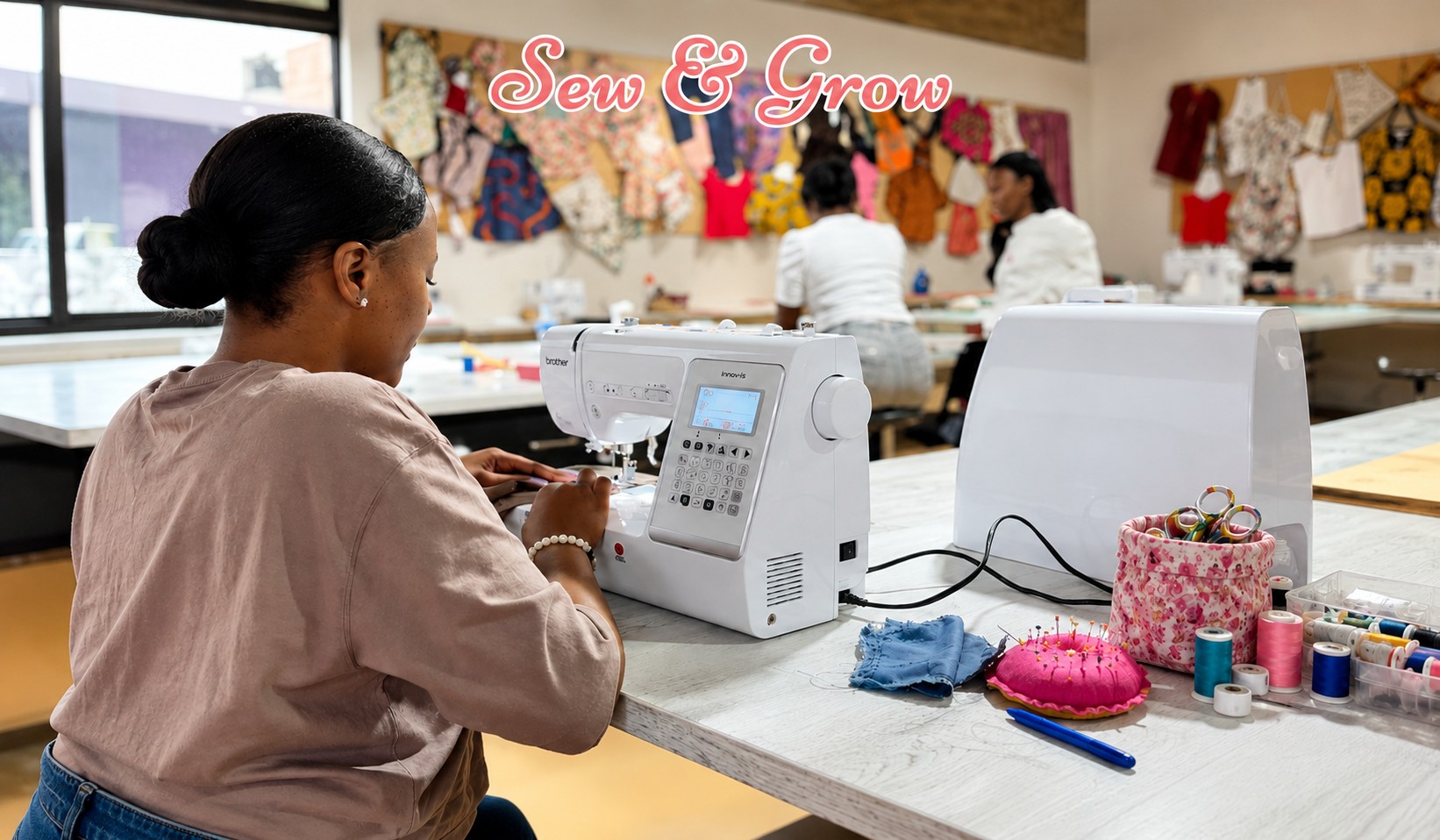
The Handicraft Sewer course
It's an accredited skills programme — a recognised qualification, no matric or experience needed — sitting right at the foundation of South Africa's training system, and the door into a real sewing career.
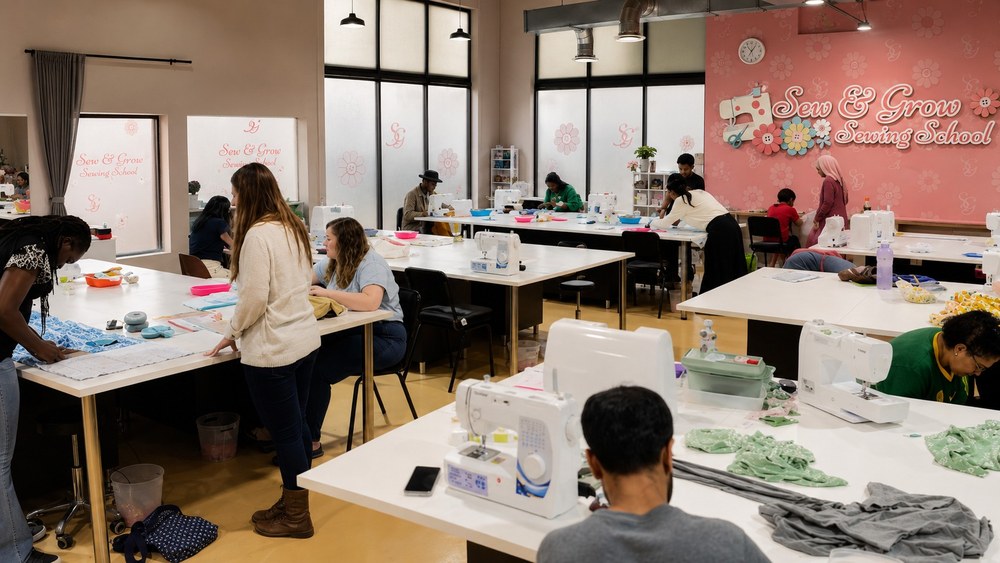
Everything is provided — every machine, all the fabric, tools and patterns — because your only job here is to learn.
Training a team, or exploring funded / B-BBEE options? See our Upskill Your Team page.
Join the conversation
Wondering how accredited sewing training leads to a job — or gets funded? Ask us anything, we reply to every comment.
did the handicraft programme and walked into a machinist job at a clothing factory. the accredited part is what got me the interview
we run a small clothing business and want to train a group of new staff. is that something you do?
Absolutely, Kagiso — we train funded and company-sponsored groups as well as individuals, right through the accredited programme. Get in touch and we'll talk through group training and any funding routes that might fit. WhatsApp 067 596 8383.
didnt know sewing training could be funded through skills development. my employer might actually pay for this 🤔
Very possibly, Tshiamo — accredited programmes like ours are exactly what B-BBEE skills-development funding is built for. It's worth raising with your HR or training department. Message us and we can share what companies usually need to know. 🧵