
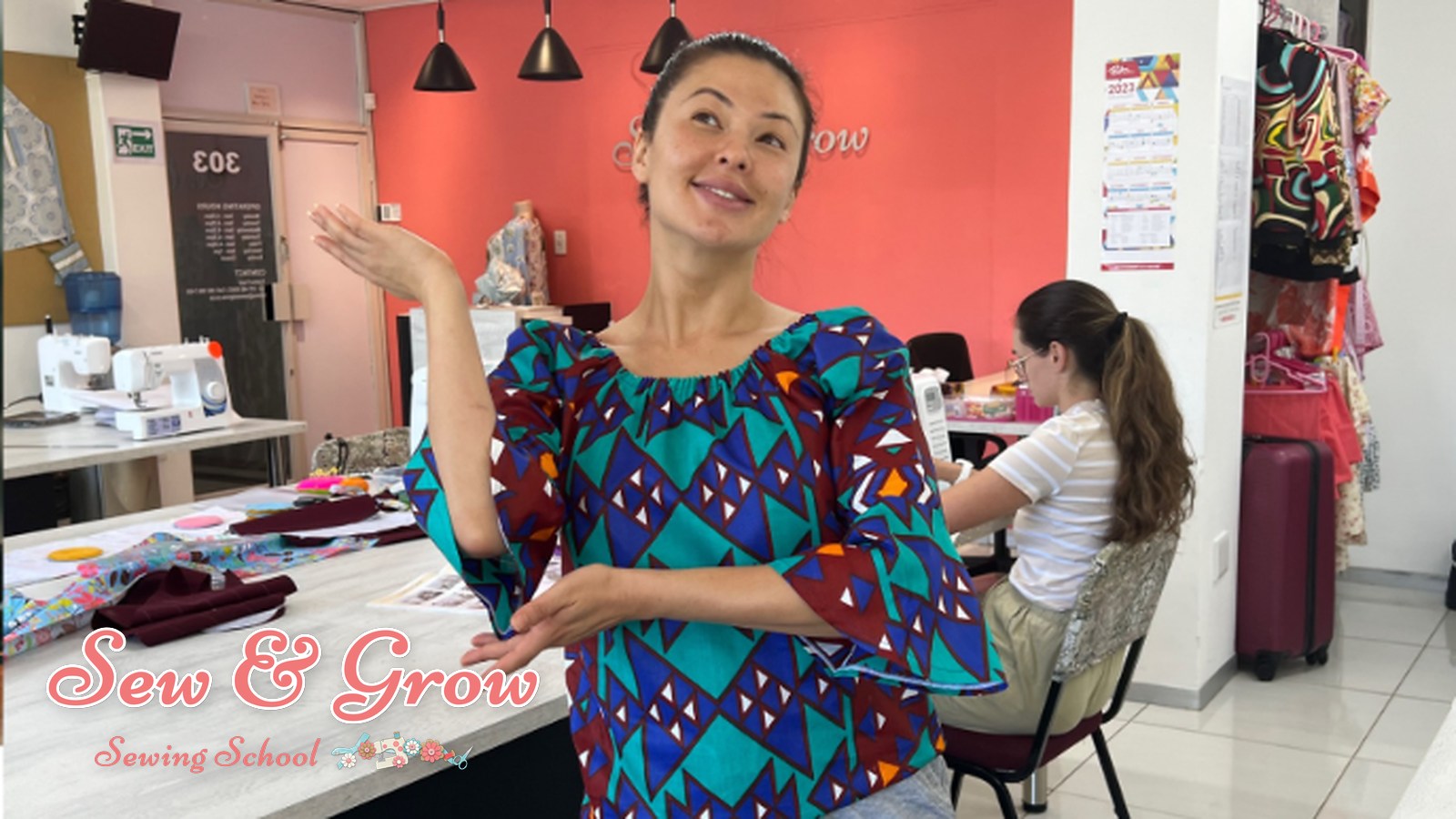
NQF Level 1 means a sewing course sits at the foundational, entry-level rung of South Africa's National Qualifications Framework — the national ladder that ranks every official qualification from Level 1 to Level 10. In plain terms: it's the ideal starting point for a complete beginner, and it's a real, nationally recognised qualification you can build a business and an income on.
Let's clear up the biggest misconception first, because it stops people before they even look properly.
Low entry, open door — on purpose
Level 1 is deliberately set at the entry point so that anyone can walk through the door — whatever their schooling or background — and still come out with a proper, recognised skill. It isn't a watered-down version of the real thing. It's the on-ramp, and a genuinely powerful one.
On our Handicraft Sewer course, that Level 1 takes you from complete beginner to a fully capable garment constructor. You don't just learn a few stitches — you master the foundations the whole craft is built on: the machines, the fabrics, patterns, measuring, and constructing a garment from start to finish. The level is low so the entry stays open; the skill you leave with is not.
A foundational qualification is more than enough to earn from. You do not need a fashion degree, and you don't need to climb to the top of the framework to make real money from sewing.
A foundation you can earn from
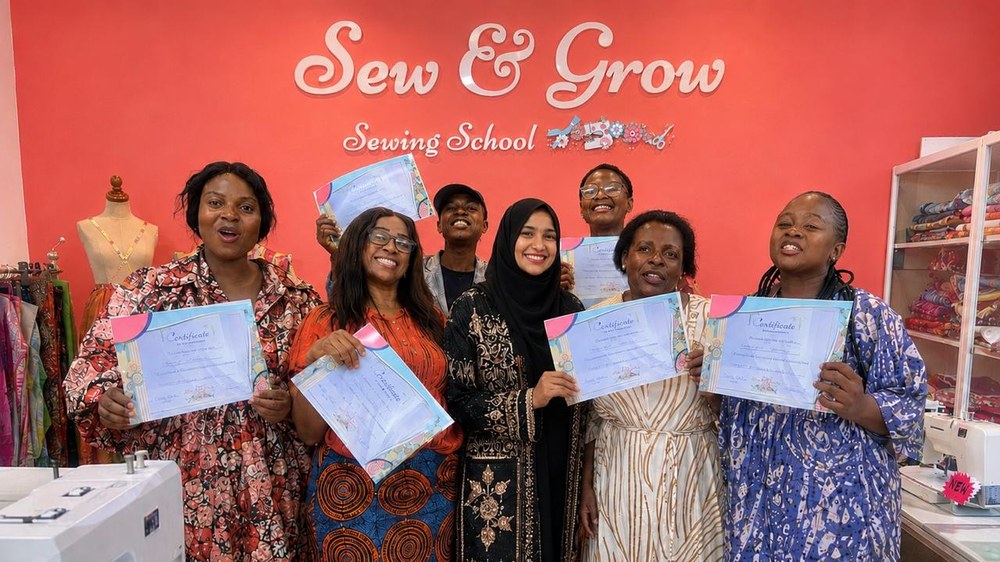
With the foundations mastered, you can sew to order, take on custom work, and build your own label. We've watched students do exactly this — start with nothing, master the basics here, and turn it into a real business, some growing well beyond what they imagined. The designer Gert-Johan Coetzee started out at a sewing table in this very classroom.
And we don't leave the money side to chance: the Handicraft course includes the basics of costing your work, pricing it fairly, and working with customers, so your recognised skill can actually pay.
40+years teaching 10,000+students 100%pass rate
I'll say this plainly: a true beginner who rushes straight into a full, high-level course tends to drown, because there's no foundation under them. Build the foundation first and everything after it comes easier — and you can start earning from it long before anyone finishes a degree.
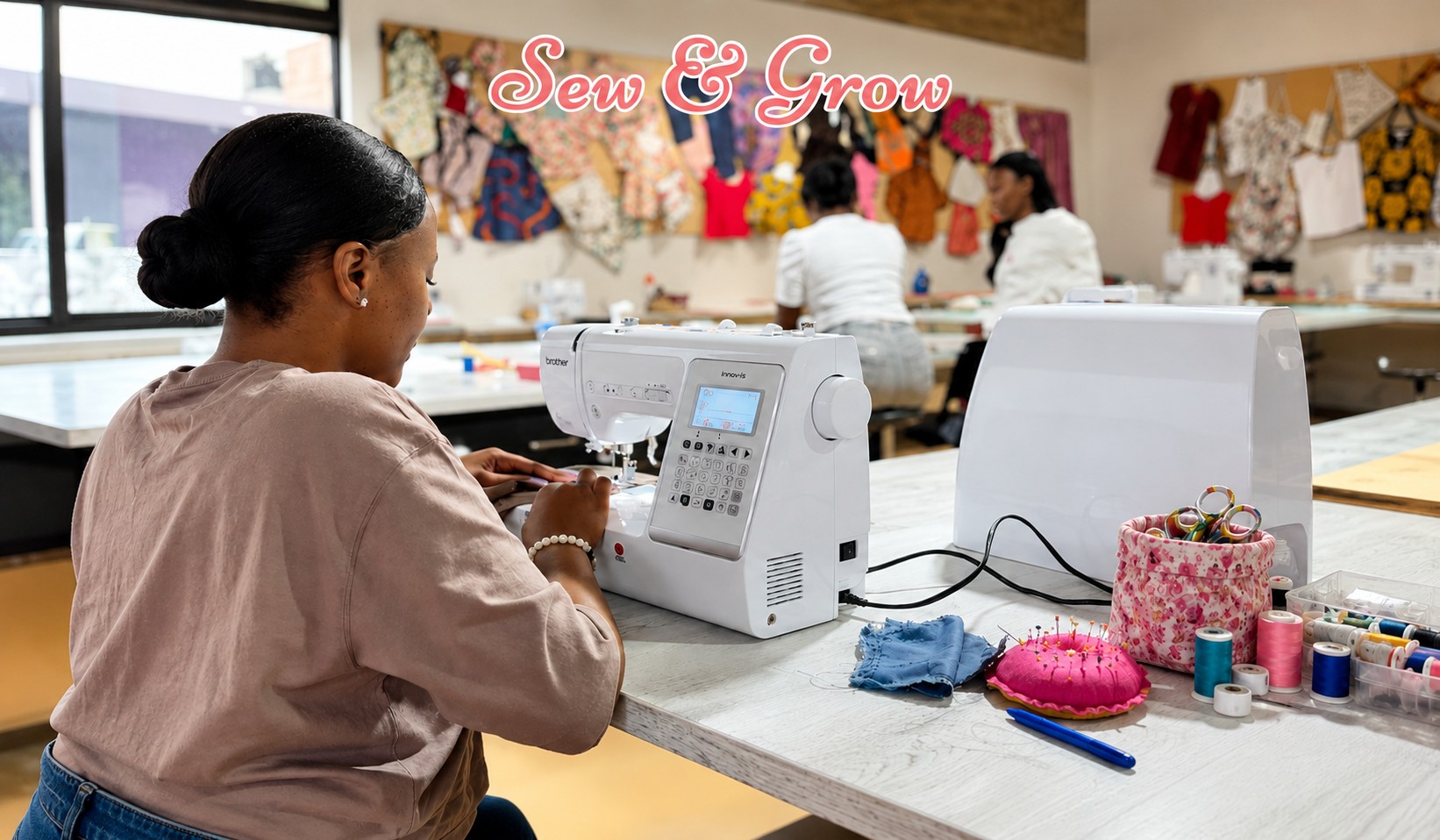
The Handicraft Sewer course
It's the accredited on-ramp — NQF Level 1, built for absolute beginners, taking you all the way to a qualified garment constructor — because a foundation you can actually earn from beats a certificate you can't use.
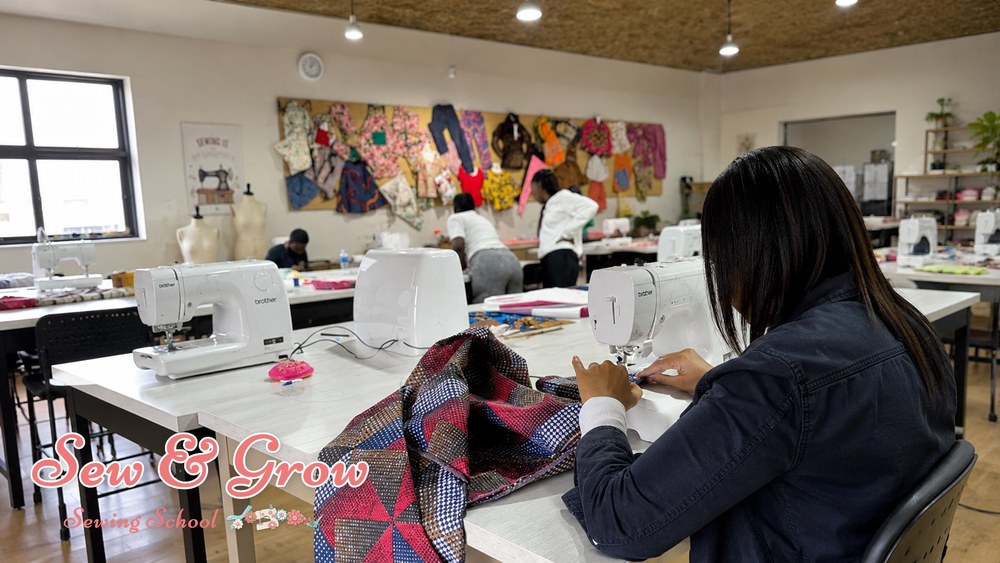
Everything is provided — every machine, all the fabric, tools and patterns — because your only job here is to learn.
Wondering if Level 1 is ‘enough’? Ask below — we answer every comment honestly.
Join the conversation
Not sure a ‘Level 1’ qualification is worth it? Ask us anything — we reply to every comment.
i work full time during the day, can i still do this or is it daytime only?
Fair question, Sipho. The accredited course does run full-time, Monday to Thursday, because construction has to be hands-on and built in the right order. If daytime is hard, message us — we'll talk you through the flexible and online options. WhatsApp 067 596 8383 or ask right here.
started a little alterations corner from home after i finished. honestly the customers have never once asked what ‘level’ it was 😄
level 1 sounded low to me at first, almost didnt look further 😅 this completely changes how i see it though
So glad you asked, Thandi — that reaction is exactly the misconception we're trying to clear up. The number marks how open the door is, not how far you can go through it. Master the foundations and you've got a skill you can genuinely earn from. 🌷