
Changing careers into sewing is far less risky than most people fear — if you build a real, recognised skill and learn how to earn from it, rather than gambling on a vague hope. Sewing is in steady demand, it offers more than one way to make money, and a good course arms you with both the craft and the business know-how to use it.
Let's think about risk honestly. Any career change carries some uncertainty. But sewing lowers it in ways many pivots don't: the demand is genuine and durable — alterations and repairs are always needed, and custom, handmade clothing is a growing market — and crucially, you're not dependent on a single employer choosing you. With these skills you can create your own income. Two roads to earning is far safer than one.
How doing it properly de-risks the whole move
Our Handicraft Sewer course doesn't just teach you to sew — it teaches you to commercialise the skill. Alongside the practical craft, we teach the business side in earnest: business ethics, building and managing a small business, finding and working with clients, taking a client's measurements with our own clear method, and costing your work so you don't undercharge. The whole shebang. You don't just leave able to make a garment; you leave equipped to run something — and some students have recouped the cost of the course within months by starting to work for themselves.
You don't have to bet everything at once. Many people begin building the skill and testing the waters — a few paying customers here, a small project there — before fully committing. A recognised skill you can grow into, backed by real business training, is about the safest way to change direction there is.
Ask yourself which is really the bigger risk: learning a durable, recognised skill with two roads to income — or staying stuck where you are, unhappy? Build the real skill and the business behind it, and a career change stops being a leap of faith and becomes solid ground under your feet.
The Handicraft Sewer course
It's what turns a scary leap into a planned, supported step — it teaches you to commercialise the skill (business ethics, finding clients, measuring, costing) as well as sew — so you leave equipped to run something, with two roads to income under you.
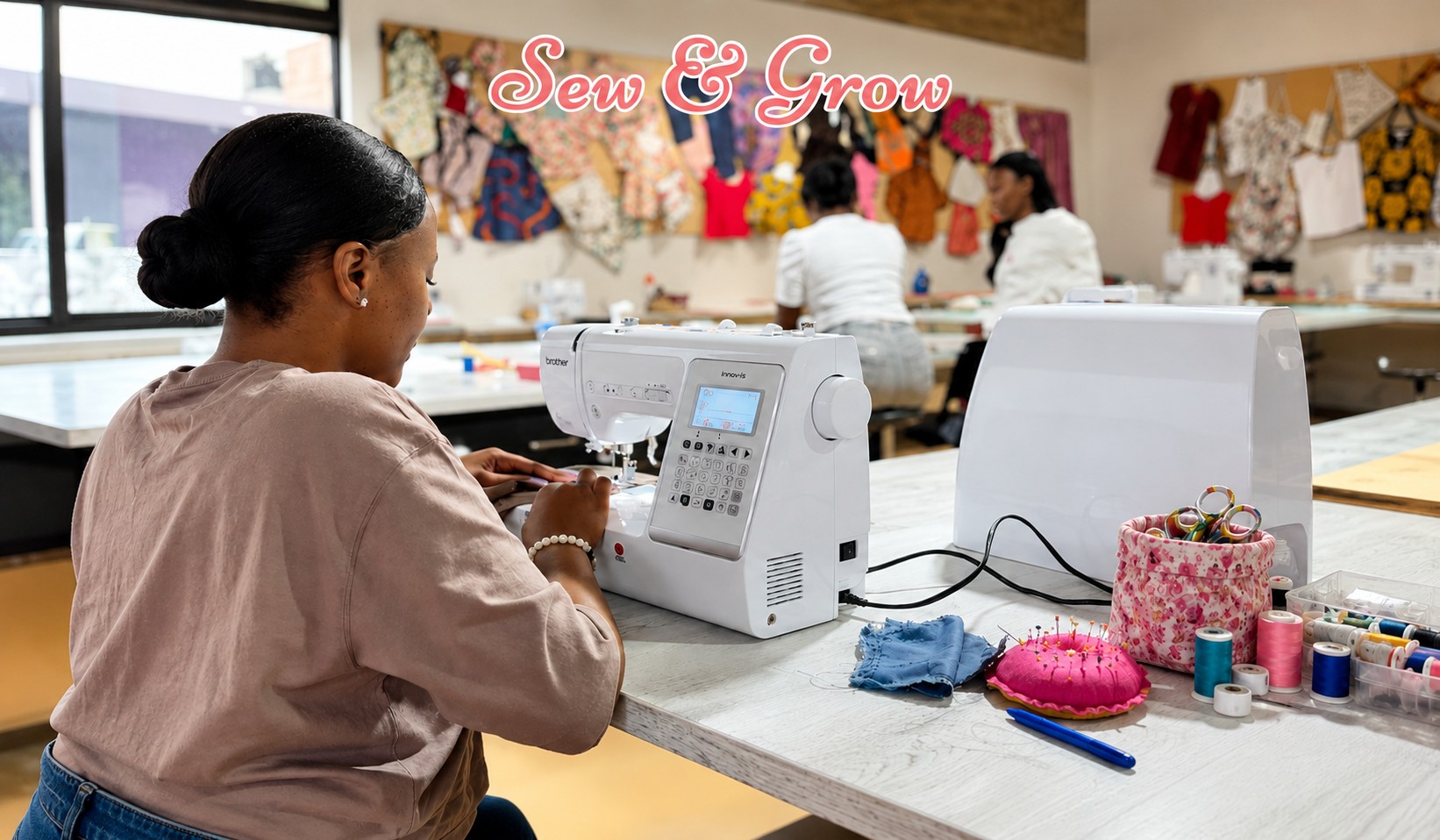
Everything is provided — every machine, all the fabric, tools and patterns — because your only job here is to learn.
Weighing up a career change? Tell us where you're coming from below — we reply to every comment.
Join the conversation
Thinking of switching careers into sewing but nervous about the risk? Ask us anything — we reply to every comment.
im desperate to leave my job but terrified of the risk 😩 the ‘real risk is switching with nothing but hope’ line really reframed it for me
That reframe is the honest one, Thulani — the danger isn't sewing, it's switching untrained. A recognised skill plus the business side gives you real ground to stand on, and you can test the waters before you leap. Come and build something solid first. 🌿
tested the waters with a few alteration clients while still employed, then went full time once it was steady. exactly the low risk way you describe
whats the smartest way to change over without losing my income in the meantime?
Build the skill while you're still earning, Kabelo — through the course, then take on small paid jobs (alterations are perfect) to test demand before committing fully. The business training we give is what makes that transition safe. Message us and we'll help you plan the changeover.