
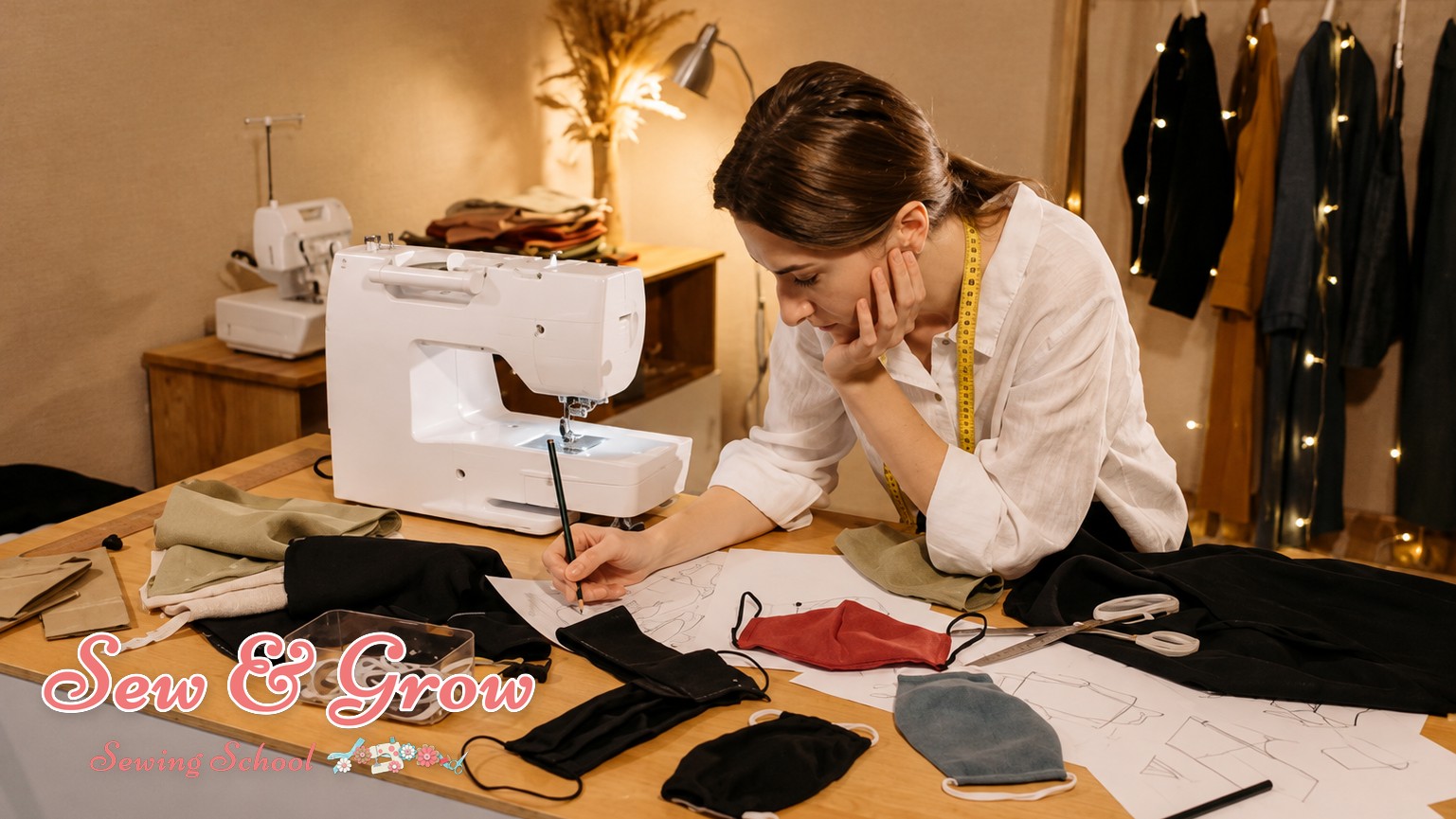
You start a sewing business by mastering the skill properly, choosing which kind of sewing business to build, learning to price your work, and winning your first happy customers. And here's the exciting part most people miss: sewing isn't one business — it's a dozen. You don't even have to sew for other people if you don't want to.
First, the foundation, because it's non-negotiable: your work has to look professional, or customers won't come back. A structured course gets you there without the gaps that make work look homemade — and it teaches the business side too. Then you choose your path. Here are the real options:
- Alterations & repairs — the classic low-risk start: constant demand, tiny costs, quick jobs, repeat customers
- Custom & made-to-measure — a perfect fit shops can't offer, that people pay a premium for
- Bridal & occasion wear — higher-value, higher-skill work clients invest in properly
- Costumes — theatre, film, dance and cosplay: creative, and rarely the same job twice
- Uniforms & workwear — overlooked and lucrative; bulk, repeat contracts from schools, salons, security firms and local businesses
- Your own clothing label — start small from home, build a name, grow it as far as you like
- Handmade products — bags, homeware, children's clothes, online (Etsy, your store) or at markets
- Selling patterns — design a pattern once and sell it again and again as a PDF: genuine passive income
- Teaching — classes, your own online course, or free YouTube tutorials you monetise. You needn't sew for anyone at all
- Embroidery & customisation — logos on uniforms and merchandise, appliqués on garments
- Contract & wholesale production — making items in bulk for shops and businesses
A ladder of courses, because each opens different doors
- 🧵Handicraft Sewer — your foundation. It underpins all of the above: making, altering, selling, and starting your own thing.
- 🏭Sewing Machine Operator — the production route, for contract, wholesale and manufacturing at scale.
- 👗Seamstress — the dressmaking route, for custom, made-to-measure, bridal and occasion wear.
- 📐Pattern Making Assistant — the technical route, ideal for designing and selling patterns, or working with manufacturers and designers.
Whatever business you choose, the recipe is the same: strong foundations, the right focus, and proper pricing. Don't try to do all dozen at once — pick one door that suits you, do it well, and let it lead to the next. That's how a home table turns into a real business.
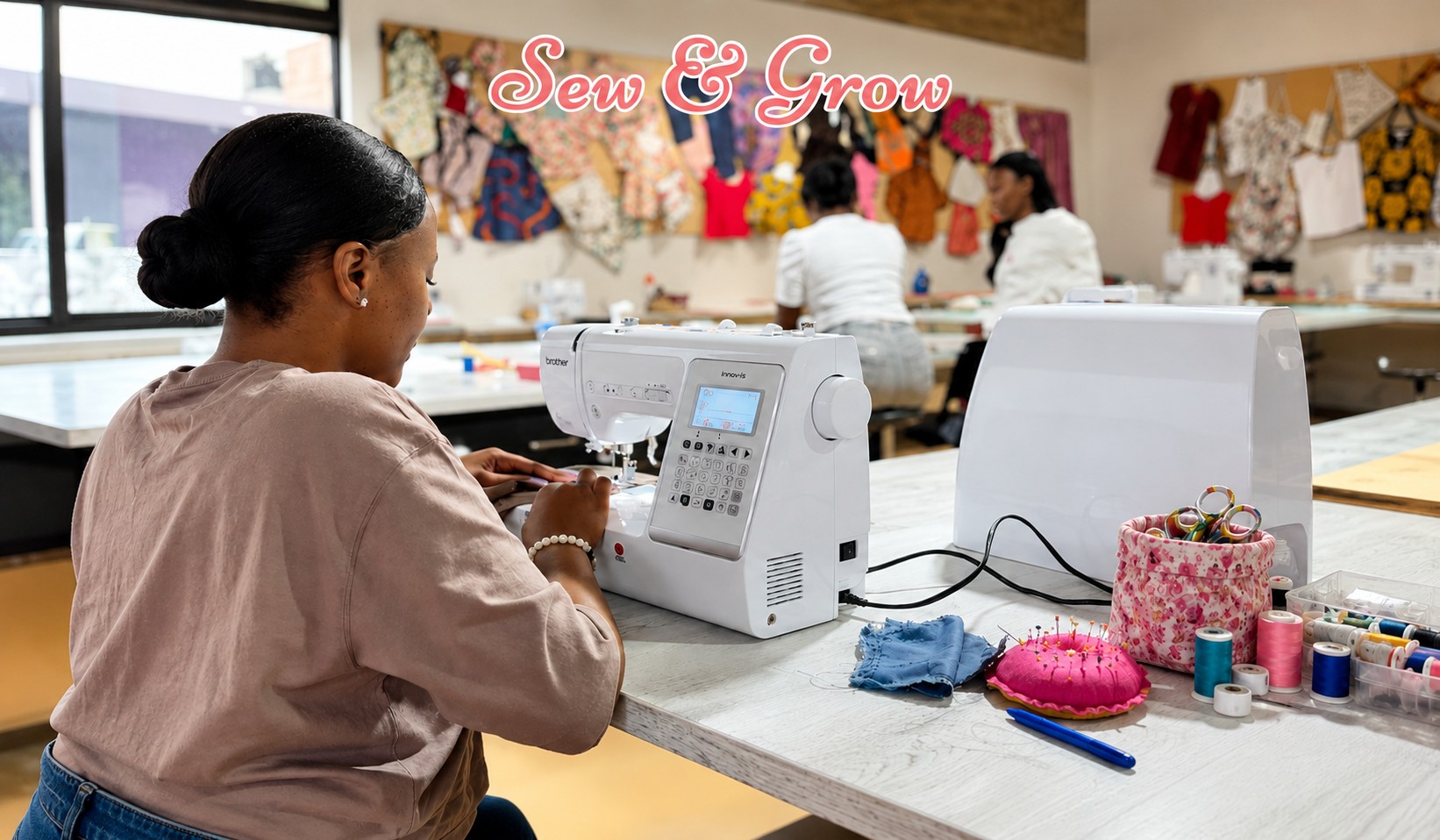
The Handicraft Sewer course
It's the foundation every one of those businesses is built on — professional sewing plus the business side (pricing, working with clients, running a small operation) — and the first rung of a ladder of accredited courses that open each different door.
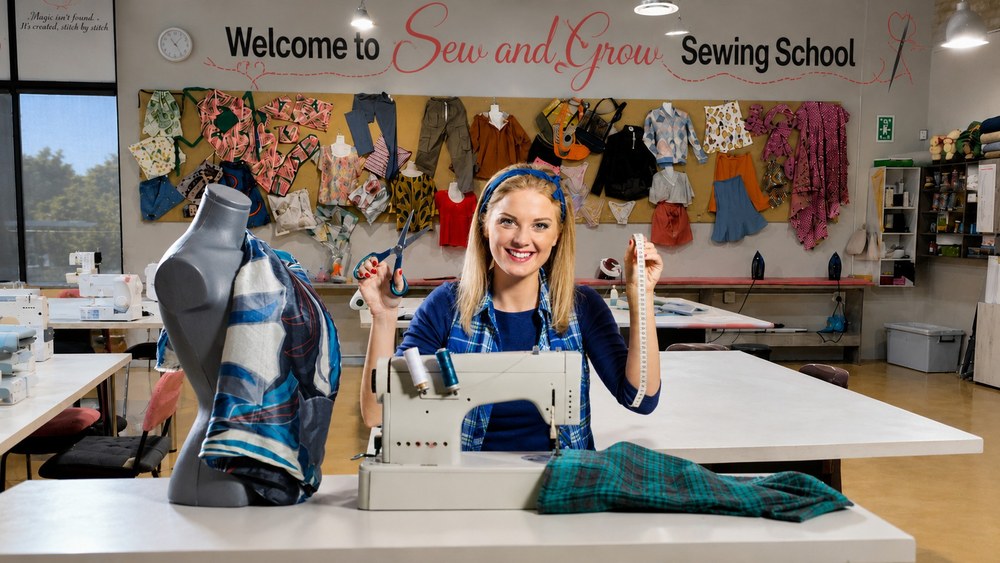
Everything is provided — every machine, all the fabric, tools and patterns — because your only job here is to learn.
Not sure which sewing business suits you? Tell us your idea below — we reply to every comment.
Join the conversation
Dreaming up a sewing business but not sure where to start? Tell us below — we reply to every comment.
i had no idea you could sell patterns as pdfs or make real money teaching 🤯 always thought a sewing business meant sewing for clients all day
It's so much wider than that, Tshepiso — that's exactly why we wanted to lay it all out. Patterns and teaching are genuine income streams that don't depend on taking client orders. Pick the door that excites you and we'll help you build toward it. 🧵
the uniforms/workwear one caught my eye, bulk repeat orders sounds way more stable than one off jobs. how do you break into that?
Great instinct, Kagiso — uniform contracts are steady and sizeable. It usually starts with simply approaching local schools, salons, security firms and guesthouses and asking what they need. The foundations and pricing come first; then it's about reliable, professional delivery. Message us and we'll talk it through.
started with alterations from home like you said, now moving into custom orders. one door really does lead to the next