
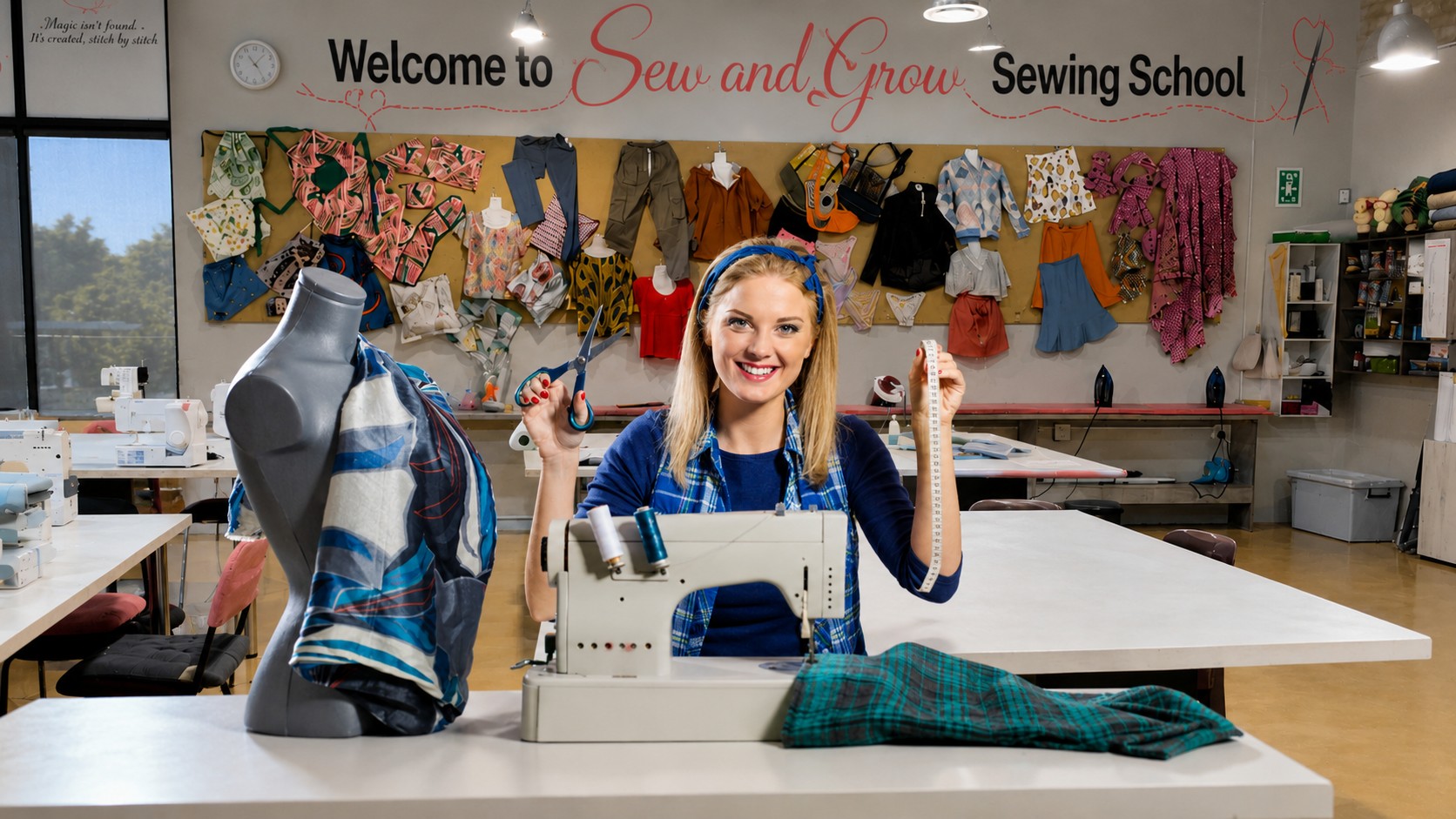
You should charge enough to cover four things: your materials, your time (paid at a fair rate), your overheads, and a profit on top. The most common — and most damaging — beginner mistake is to price only the materials and throw the labour in ‘for free.’ Getting pricing right is the single most important business skill a sewer can learn.
The formula, broken down
Once you see it, you'll never underprice again:
- 🧵Materials. Fabric, thread, zips, buttons, interfacing — everything the garment consumes. Add it all up, and don't forget the small bits.
- ⏱️Your time. The piece beginners skip, and usually the biggest cost. Set a fair hourly rate, track how long a job really takes, and pay yourself for every hour.
- ⚙️Overheads. Machine wear, electricity, needles, maintenance, your workspace — the ongoing costs of being able to sew at all. Spread a fair share across each job.
- 💰Profit. A business isn't sustainable at break-even. Add a margin so it can grow, absorb a bad month, and reward you for the risk and skill.
Add those four together, and that's your price — not ‘what feels cheap enough that no one says no.’ Pricing too low doesn't just hurt your income; it signals low quality and attracts customers who don't value your work. Confident, fair pricing attracts better clients.
Pricing is worth as much to your income as the sewing itself — treat it with the same care. The sewers who quietly struggle are almost always the ones giving their time away. Charge for your hours, hold your price with confidence, and you'll attract clients who respect both you and your work.
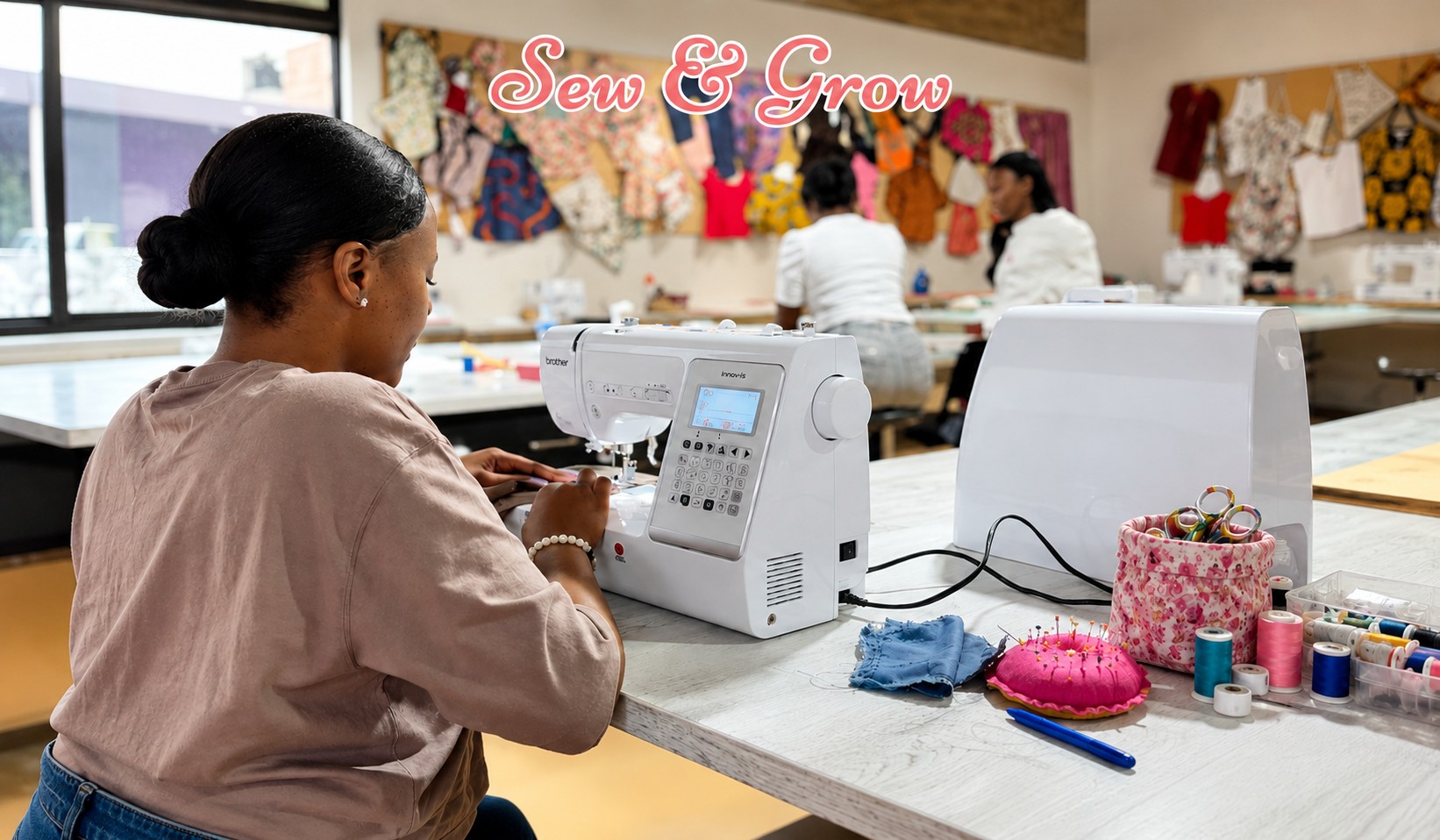
The Handicraft Sewer course
It teaches costing and pricing as a core skill, not an afterthought — how to work out what a garment truly costs and price it so your skill actually pays — because it's worth as much to your income as the sewing itself.
Everything is provided — every machine, all the fabric, tools and patterns — because your only job here is to learn.
Underpricing your work? Ask us how to cost a job properly below — we reply to every comment.

Join the conversation
Not sure how to price your sewing? Ask us anything — we reply to every comment.
i literally only ever charged for fabric 😭 no wonder i never made anything. the ‘paying to work’ line hit hard
You're so far from alone, Zinzi — it's the number one thing we fix. Your hours are the biggest cost, and once you charge for them (plus overheads and a margin), the same work finally pays. It's completely learnable, and it changes everything. 🧵
started tracking my hours and adding overheads like you teach. doubled my prices and barely lost any customers, the right ones stayed
how do i work out a fair hourly rate for myself when im still fairly new?
Good question, Nandi — it's based on your skill level, your local market and what the work is worth, and it rises as you improve. We walk students through setting and raising it with confidence. Message us and we'll help you land on a fair starting figure.