
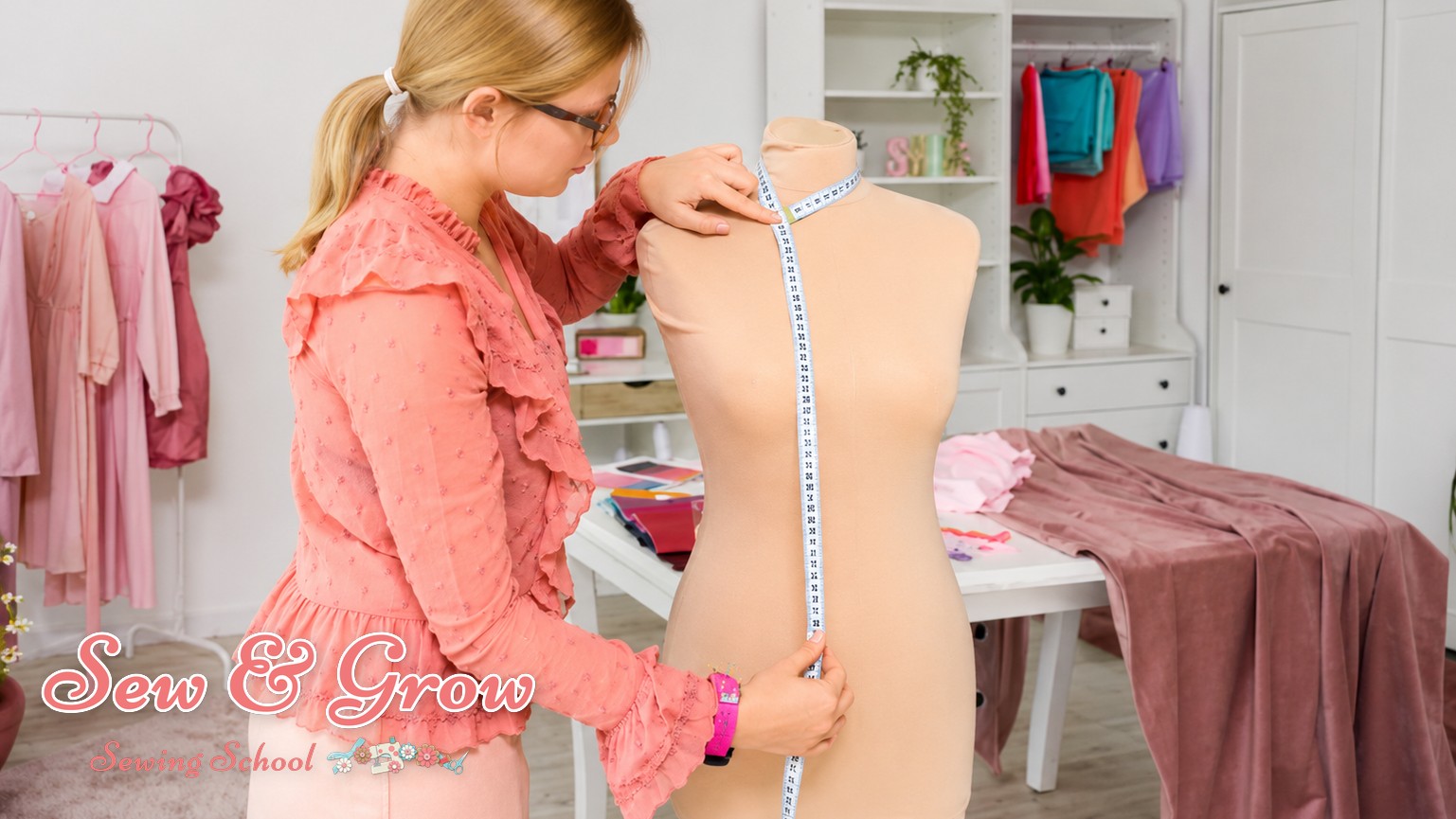
In general, yes — you can legally sell clothes you make yourself, especially when they're your own creations sewn from your own or commercially available patterns. The main things to be careful of are copying branded designs, using trademarked logos or fabrics, and the licensing terms on some commercial patterns. For most home sewers making and selling their own garments, though, it's completely allowed.
The sensible boundaries, in plain terms
- ✅Your own garments are yours to sell. If you design and sew a dress, a bag, or a shirt, you can sell it. That's simply making and selling a product.
- ⚠️Watch out for brands and logos. You can't put a well-known brand's logo on your work, copy a distinctive branded design closely, or use trademarked names. Make your things, not knock-offs.
- 📄Check commercial pattern terms. Some patterns are sold for personal use only, and a few restrict selling finished items made from them. Most are fine for small-scale selling, but it's worth a glance.
- 🧵Mind branded or licensed fabrics. Fabric printed with licensed characters or logos can carry restrictions. For most plain and general fabrics, there's no issue at all.
The reassuring headline: the overwhelming majority of people who learn to sew and start selling their own garments, alterations and custom work are operating completely within the rules. These are edge cases to be aware of, not reasons to worry.
This is general information, not legal advice, and specifics can vary. If you're ever unsure about a particular design or pattern, check its terms or get proper advice — a two-minute glance now saves any doubt later.
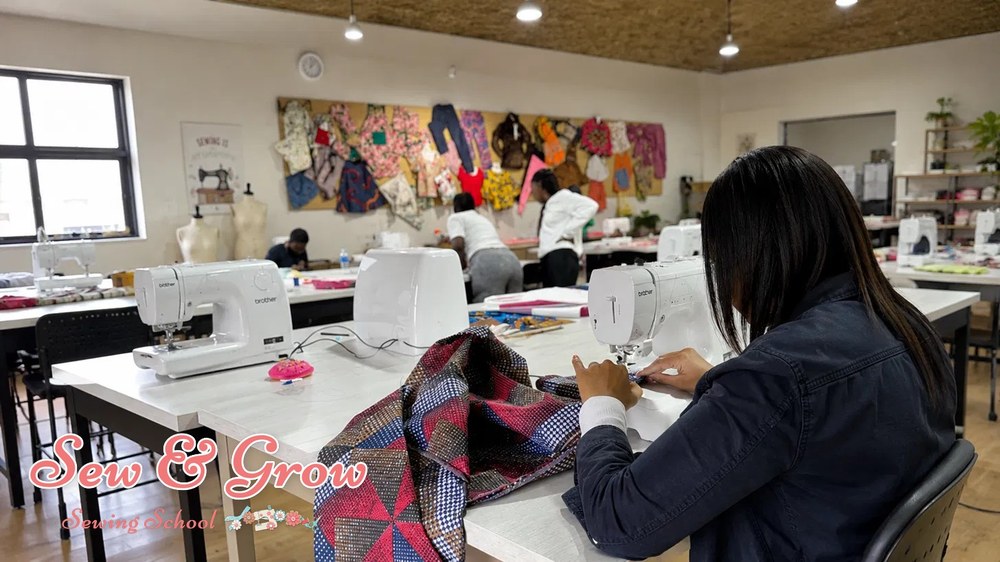
At Sew & Grow, our focus is on teaching you to make beautiful, original garments and to build an honest, professional sewing business — measuring clients, pricing your work, and creating pieces that are genuinely yours to sell. That's the surest footing there is.
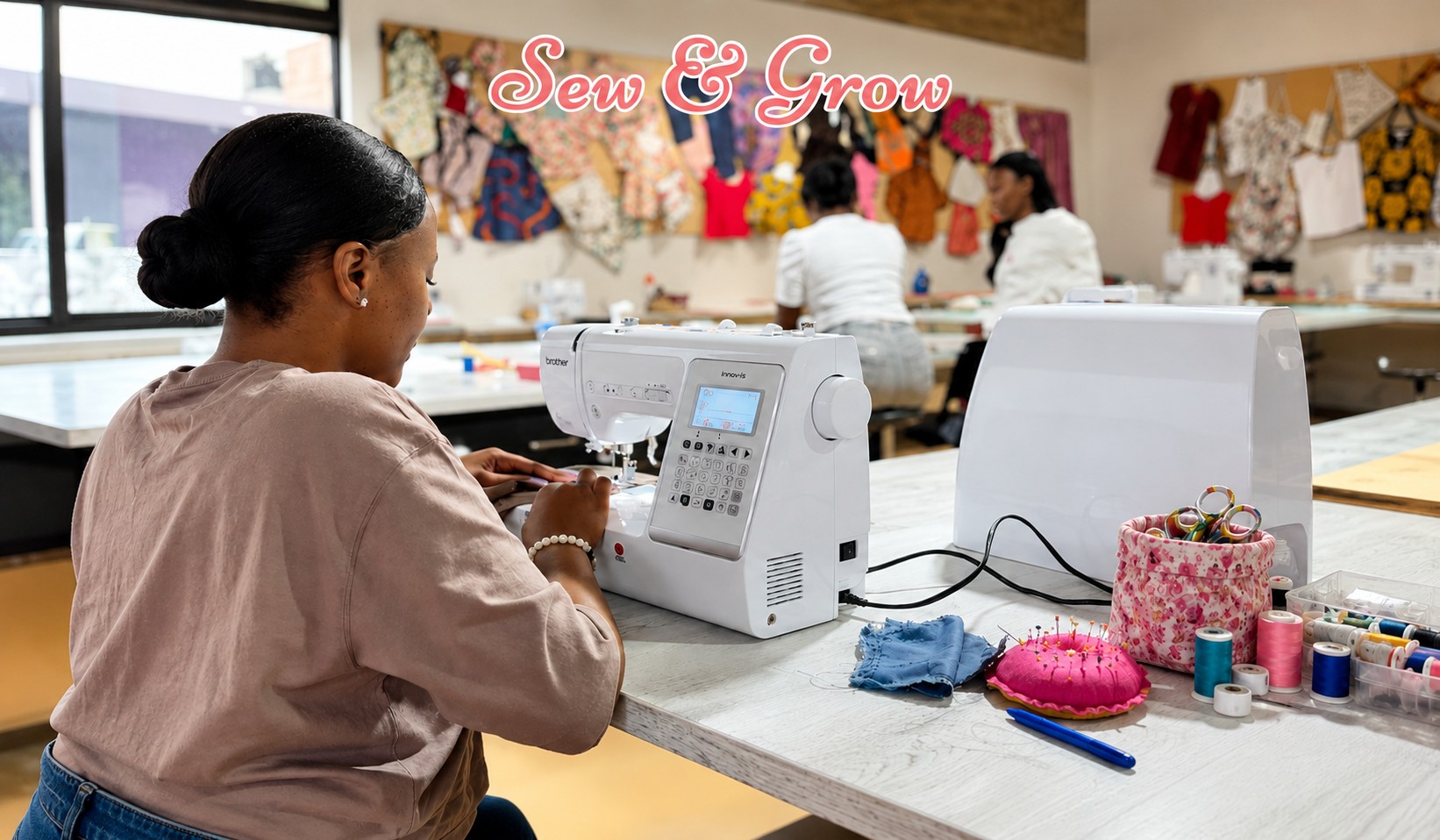
The Handicraft Sewer course
It teaches you to make beautiful, original garments and build an honest, professional business — measuring clients, pricing your work, and creating pieces that are genuinely yours to sell — which is the surest legal footing there is.
Everything is provided — every machine, all the fabric, tools and patterns — because your only job here is to learn.
Wondering what you can and can't sell? Ask below — we reply to every comment.
Join the conversation
Wondering what's allowed when you sell what you make? Ask us anything — we reply to every comment.
good reminder about checking pattern terms. found one that was personal use only, switched to a different one and carried on
i always worried selling clothes i made was somehow not allowed 😅 relieved to hear original stuff is completely fine
It really is, Zanele — your own original garments are simply a product you made and can sell. The only things to sidestep are brand logos, close knock-offs and the odd pattern's terms. Make your own beautiful pieces and you're on the clearest footing there is. 🌿
can i sell alterations on clothes that are branded? like taking in someones nike jacket?
Altering a garment someone already owns is a service on their own item, Lindiwe — very different from making and selling a branded knock-off. That kind of alterations work is exactly the bread-and-butter we help students build. Message us if you'd like to talk it through.